
the rADA approach
The body and mind are not separate systems. What we experience physically, emotionally and mentally is deeply interconnected.
No single modality can fully explain the complexity of human experience. RADA brings together different therapeutic perspectives, each providing a different way of understanding and accessing the body.
The human system is layered, but not divided. Physical structure, physiology, the nervous system, fluid systems, emotions, subconscious patterns, behaviour, relationships, energy and environment continuously interact.
A pattern may therefore appear in several places at once. Rather than separating these experiences, RADA looks at the relationships between them.
The physical body
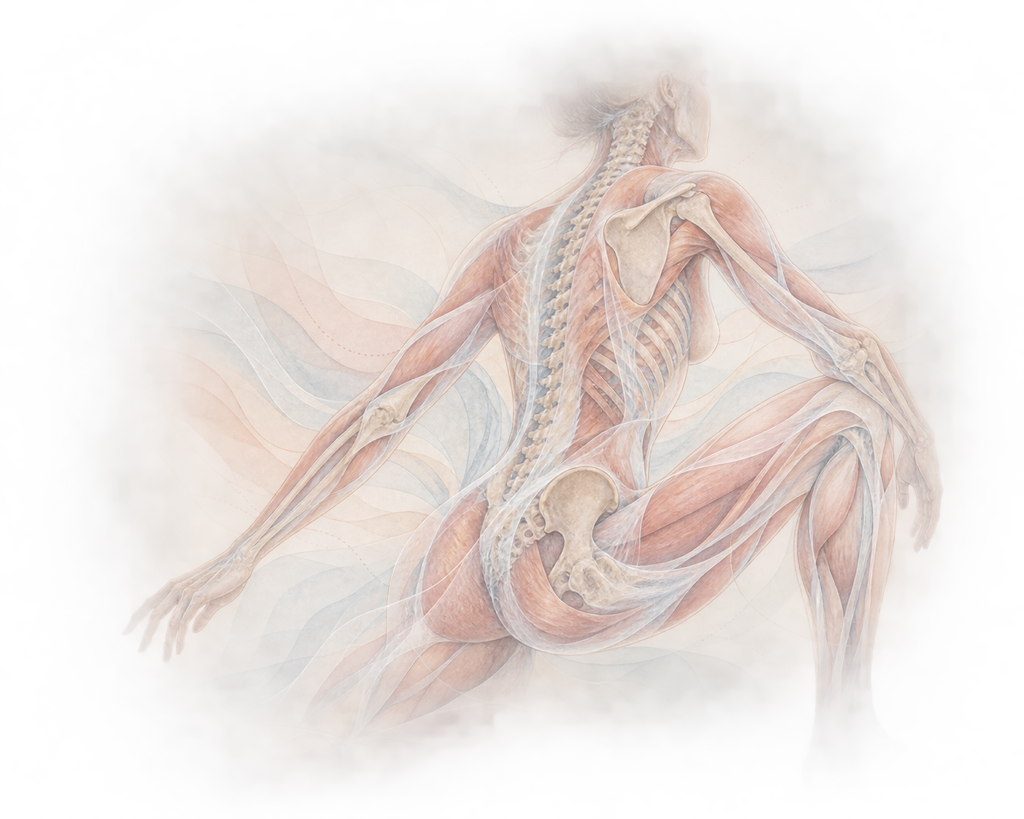
The physical body includes the muscles, bones, joints, fascia and connective tissue that support movement, structure and organisation throughout the body.
Patterns of tension and restriction can develop through injury, repetitive movement, posture, compensation, stress and ongoing adaptation. Working with this layer supports greater movement, ease and balance within the physical system.
Remedial Massage
Remedial massage works with muscles, connective tissue, movement patterns, posture, and areas of physical tension or discomfort. It supports pain management, injury recovery, circulation, mobility, muscular balance, and the restoration of more efficient movement throughout the body.
Within RADA, muscular tension is not viewed in isolation. Stress, breathing patterns, posture, lifestyle, injury history and nervous system activity can all influence how the body holds and moves. Treatment therefore considers both the area of discomfort and the broader patterns that may be contributing to it.
Myofascial Release
Myofascial release works with fascia — the continuous network of connective tissue that surrounds and connects muscles, bones, organs, nerves and other structures throughout the body. Restrictions can develop through injury, posture, repetitive movement, stress, surgery and long-standing patterns of protection.
Treatment uses slower, sustained techniques that work with areas of resistance rather than forcing change. Because fascia is interconnected throughout the body, the work considers how restriction in one area can influence movement, tension and discomfort elsewhere.
Chi Nei Tsang
Chi nei tsang is a traditional Taoist approach to abdominal bodywork that explores relationships between digestion, breathing, tension, emotion and energy. The abdomen is an area where patterns of stress, protection and physical holding can accumulate.
Through gentle touch, breath awareness and organ-focused massage, the work supports abdominal and diaphragmatic movement, circulation, grounding and connection with the body’s centre.
The nervous system & Fluid Body
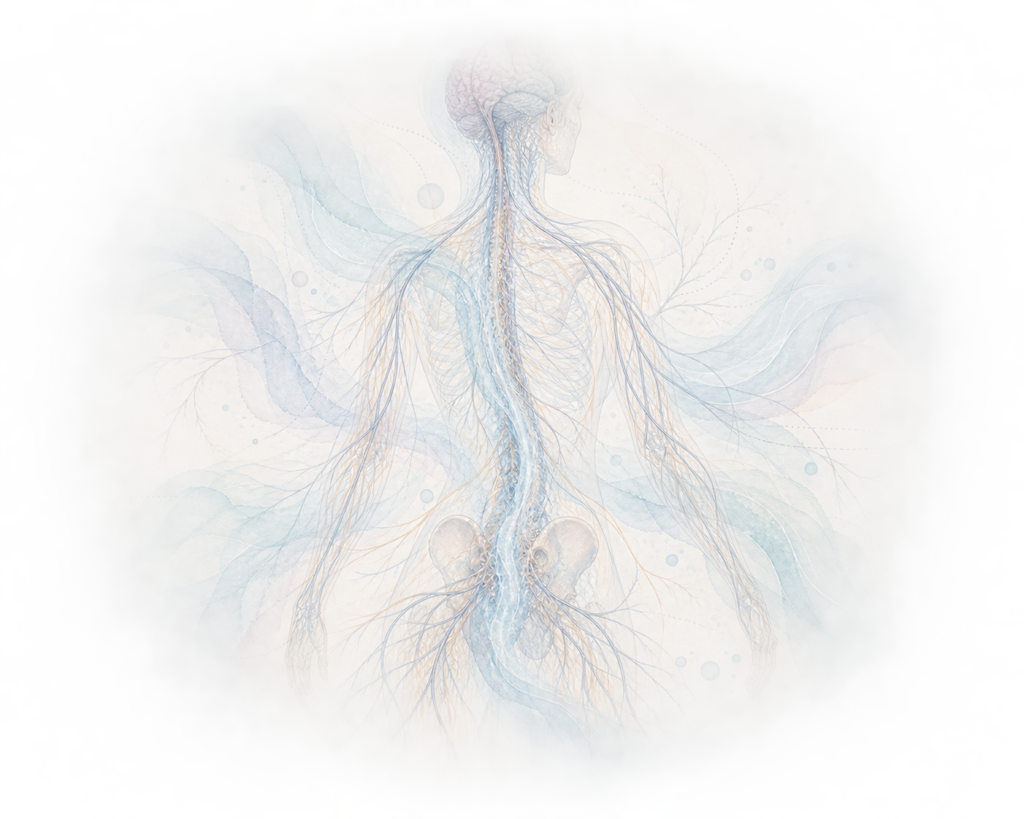
Beneath physical structure is a constantly communicating and regulating system. The nervous system continually responds to sensation, environment, stress and perceived safety, shaping how the body adapts and responds.
The body’s fluid systems, breath and inherent rhythms support movement, communication and organisation throughout the whole. Working with these systems supports regulation, adaptability and a greater sense of connection within the body.
Biodynamic Craniosacral Therapy
Biodynamic craniosacral therapy (BCST) is a gentle, hands-on approach that works with the nervous system, fluid body and the body’s inherent regulatory rhythms. Through subtle contact and deep listening, the work creates space for patterns of stress, tension and protection to begin to settle and reorganise.
Rather than directing the body towards a particular outcome, BCST follows the priorities and pace of the individual system, supporting greater regulation, grounding and resilience.
Heart Coherence
Heart coherence uses rhythmic breathing, heart-focused awareness and emotional regulation to support communication between the breath, heart rhythm and autonomic nervous system.
These practices can support stress regulation, grounding, emotional balance and nervous system adaptability, while developing greater awareness of how physiological and emotional states influence one another.
Breath & Diaphragm
Breathing patterns are closely connected with posture, movement, emotion and nervous system regulation. The diaphragm plays an important role not only in breathing, but also in core support, circulation, digestion and the relationship between the ribcage, spine and pelvis.
Stress, pain, emotional holding and long-standing protective patterns can influence how freely the body breathes. Rather than using forceful breathwork, the RADA approach centres on awareness, regulation, diaphragm function and creating greater freedom within the natural breath.
The Emotional & Experiential Body
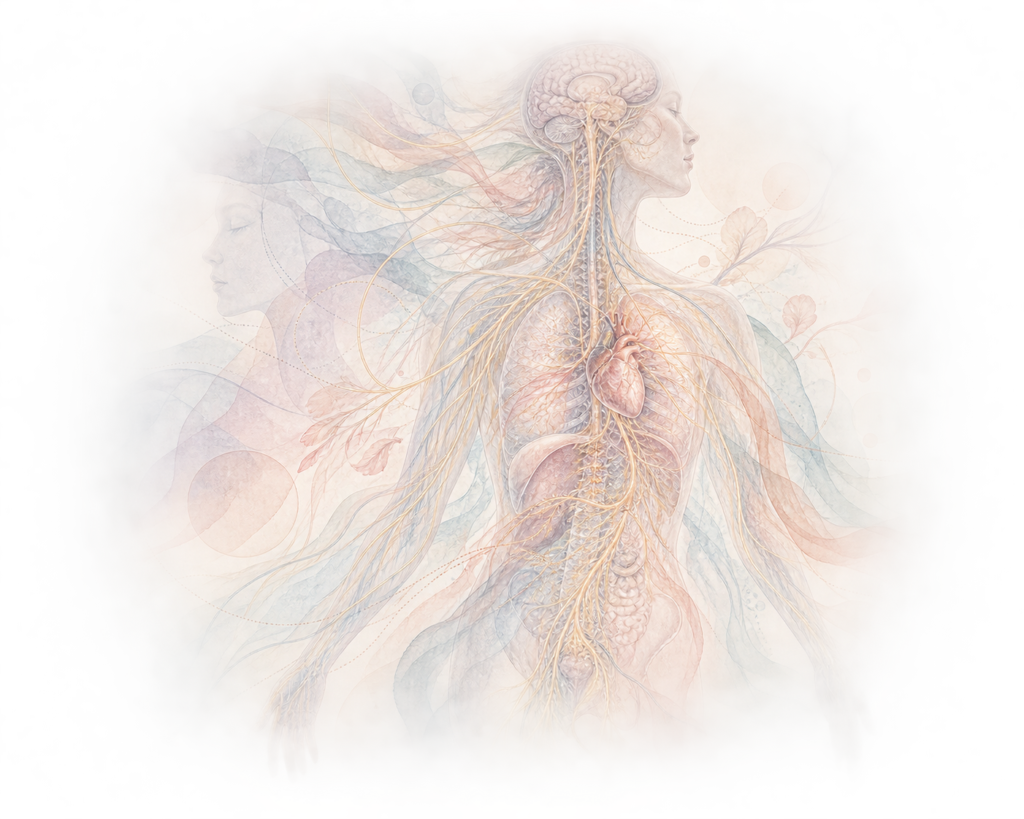
Our experiences do not exist only at the level of conscious thought. Emotions, beliefs, memories and learned responses can influence how we perceive, respond and adapt to the world around us.
Over time, these patterns can become automatic, shaping behaviour, emotional responses, nervous system activity and the ways we hold or protect ourselves physically. Working with this layer creates space to recognise these patterns while understanding that emotional and physical experience remain interconnected.
Counselling & Reflective Enquiry
Counselling and reflective enquiry create space to explore emotions, experiences, relationships and recurring patterns. Through conversation and awareness, we can begin to recognise how past and present experiences influence the way we think, feel, relate and respond.
Within RADA, this perspective can also inform the bodywork itself — helping connect what is being experienced physically with the wider emotional and life context of the individual.
Embodied Awareness
Embodied awareness explores the relationship between attention, physical sensation, emotion, thought and the nervous system. Developing greater awareness of breathing, tension and the early signs of stress can help make patterns visible before they become automatic responses.
While formal meditation is not typically taught during sessions, principles of observation, presence and awareness influence the pace and approach of the work.
the Energetic Body
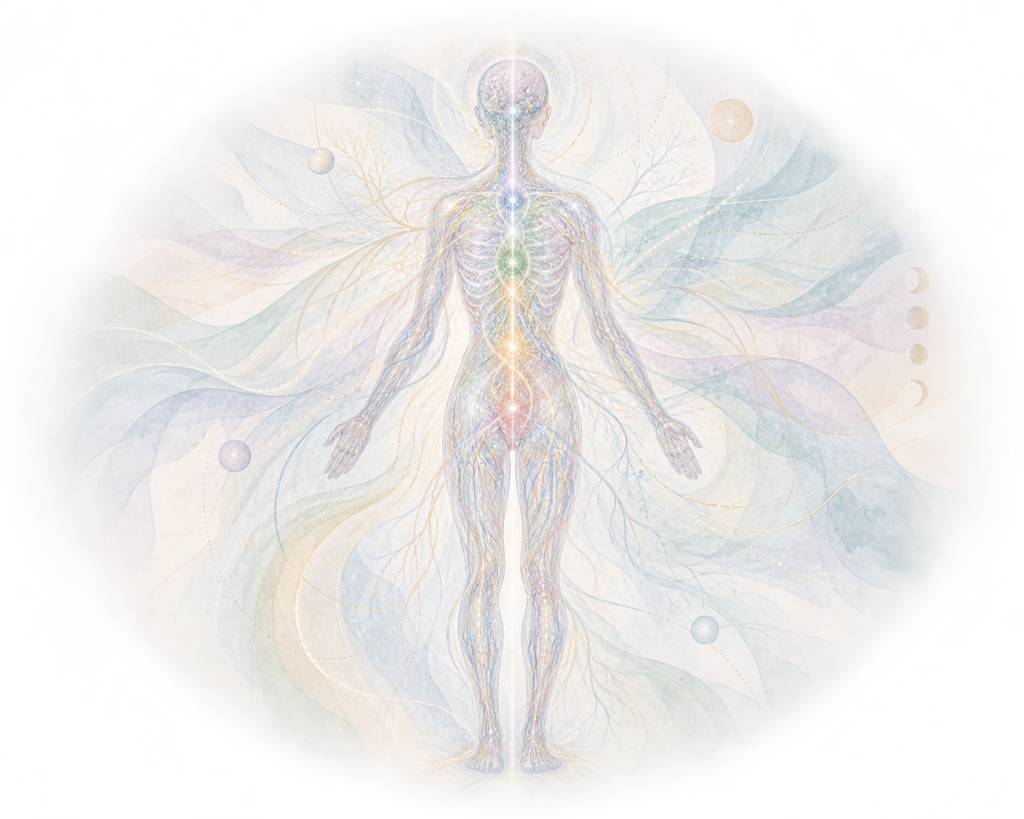
The energetic body considers the more subtle aspects of human experience — including vibration, resonance, rhythm and the ways these qualities can be experienced throughout the body.
Within RADA, energetic approaches are not treated as separate from the physical or nervous system. They provide another way of working with sensation, awareness and regulation, recognising that physical, emotional and energetic experience can influence one another.
Sound Healing
Sound has been used across cultures and healing traditions for centuries. At its foundation, sound is vibration expressed through frequency. Singing bowls, tuning forks and other instruments introduce different frequencies and qualities of resonance that can be experienced through both hearing and sensation within the body.
Within RADA, sound is used alongside bodywork as another pathway into awareness and regulation. Frequency and vibration can influence sensation, breathing and internal awareness, supporting relaxation, nervous system regulation and the exploration of physical, emotional and energetic experience.
The physical body, nervous system, emotions and energetic systems do not exist independently of one another. They continuously communicate, adapt and influence the way we experience ourselves and the world around us.
Different therapeutic approaches provide different points of access into this interconnected system. A session may begin with physical tension, nervous system regulation, breath, emotional awareness or another pattern entirely. The intention is not to address every layer at once, but to recognise their relationships and work with what is most relevant to the individual.